
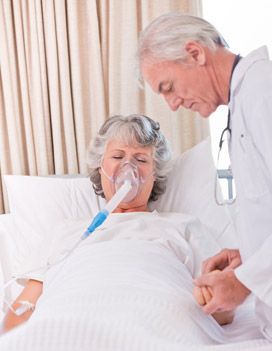
Breathe Life Back In – Trusted COPD Treatment in Jaipur by Top Pulmonologist in Raja Park.
If you’re experiencing chronic cough, breathlessness, or fatigue, you may be dealing with COPD—a condition that needs expert care. For advanced and compassionate COPD treatment in Jaipur, consult a skilled pulmonologist in Raja Park for personalized diagnosis and long-term management.
With access to top respiratory clinics and modern therapies, patients in Jaipur receive comprehensive care for conditions like emphysema and chronic bronchitis. Treatments include inhalation therapy, pulmonary rehabilitation, lifestyle management, and in some cases, surgical options—all aimed at improving lung function and enhancing quality of life.
Don’t let COPD limit your life. Reach out to an experienced pulmonologist in Raja Park, Jaipur, and take the first step towards easier breathing and better health.
Who is Most Affected by COPD?
COPD primarily affects smokers and former smokers, as smoking is the leading cause. Older adults (40+) with prolonged exposure to harmful substances like air pollution or chemicals are also at higher risk. People with a family history of COPD or genetic conditions such as alpha-1 antitrypsin deficiency are more likely to develop it. Frequent respiratory infections during childhood or severe asthma can also increase the risk. Additionally, women may face heightened vulnerability due to the effects of smoking and environmental factors.
Spirometry grading classifies COPD into four GOLD stages based on the severity of lung function.
According to the Global Initiative for Chronic Obstructive Lung Disease (GOLD) guidelines, COPD is classified into four grades based on spirometry results. Grade 1 (Mild) shows a normal or near-normal FEV1 (forced expiratory volume in one second), indicating minimal airflow limitation. Grade 2 (Moderate) is characterized by a moderate decrease in FEV1, while Grade 3 (Severe) reflects a more significant reduction in lung function. Grade 4 (Very Severe) represents the most advanced stage, with severe impairment of lung function. These classifications help healthcare providers assess the severity of COPD and tailor treatment plans accordingly.

Stage 1 (Mild COPD)
Mild shortness of breath, especially with physical activity.

Stage 2 (Moderate COPD)
Increased shortness of breath, coughing, and sputum production.
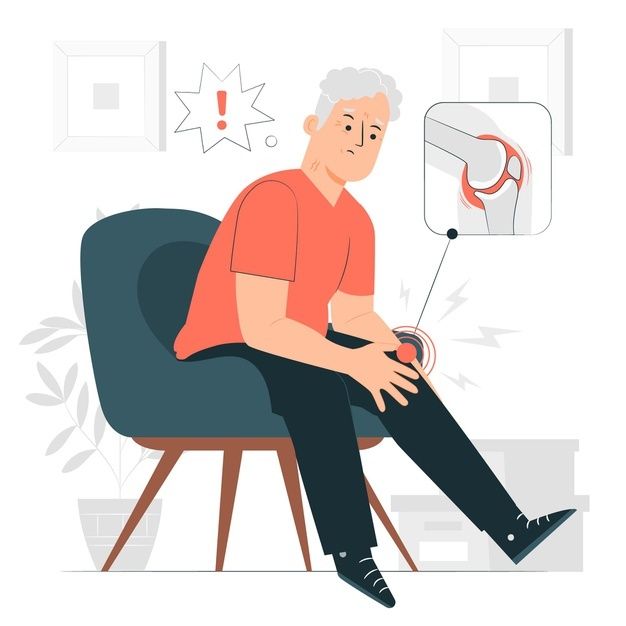
Stage 3 (Severe COPD)
Severe shortness of breath, frequent flare-ups, and reduced physical ability.
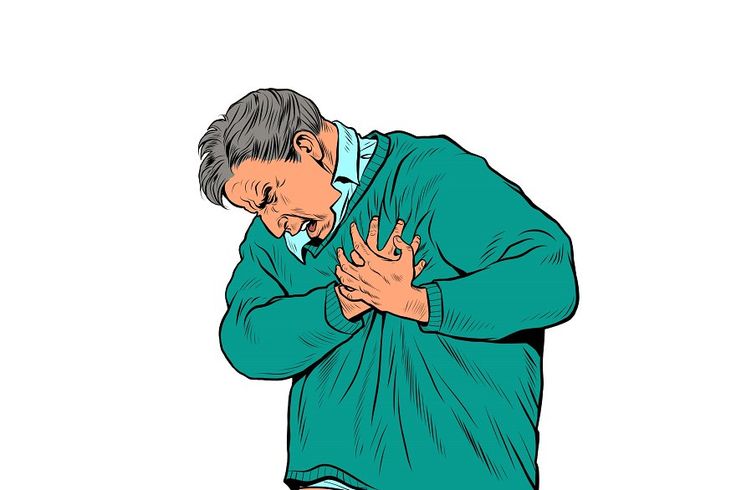
Stage 4 (Very Severe COPD)
Shortness of breath even at rest, frequent hospitalizations, and significantly reduced
COPD Symptoms
COPD symptoms often include a persistent cough, wheezing, shortness of breath, chest tightness, and excessive mucus production. Individuals may also feel fatigued, experience frequent respiratory infections, and face challenges with physical activity. As COPD progresses, symptoms tend to intensify, making breathing more difficult and impacting overall quality of life. Early detection and proper management can help alleviate symptoms and slow down the disease’s progression.
The symptoms are
Chronic Obstructive Pulmonary Disease (COPD) presents a range of symptoms that often develop slowly and worsen over time. One of the most common signs is chronic coughing, which may produce mucus and persist throughout the day. Wheezing, a high-pitched whistling sound during breathing, is also frequently observed. Shortness of breath, especially during physical activity or even at rest in severe cases, is a hallmark symptom. Individuals often experience chest tightness and a sensation of not being able to take a deep breath.
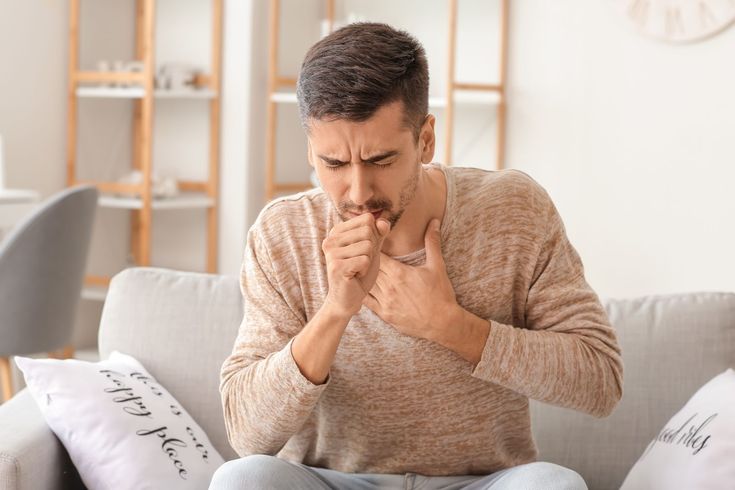
When Breathing Becomes a Battle-Advanced COPD Symptoms
In the advanced stages of COPD, every breath feels like a struggle. Simple activities—like walking across the room or climbing a few stairs—can leave you gasping for air. Breathlessness at rest, persistent coughing, and thick mucus become daily challenges. Chest tightness may feel like a constant weight, while extreme fatigue drains energy even before the day begins.
As the lungs weaken further, signs like bluish lips or fingertips, swelling in the legs, unexplained weight loss, and frequent chest infections can appear. Nights become restless with poor sleep, morning headaches, and a foggy mind due to low oxygen levels.
Without the right care, complications like heart strain and pulmonary hypertension may develop. But hope remains—timely treatment and expert guidance from the Top Chest Disease Doctor in Jaipur or a trusted Pulmonologist in Raja Park can help manage symptoms and improve your quality of life.

Causes of COPD
The two main causes of Chronic Obstructive Pulmonary Disease (COPD) are smoking and prolonged exposure to harmful lung irritants. Smoking remains the most significant contributor, as long-term tobacco use leads to chronic inflammation and damage to the lungs and airways. In addition, extended exposure to pollutants such as dust, chemical fumes, industrial smoke, and air pollution can also play a major role in the development of COPD.
Some individuals may be at higher risk due to genetic factors, such as alpha-1 antitrypsin deficiency, a rare inherited condition that affects the lungs. A history of frequent respiratory infections in early childhood can also increase the likelihood of developing COPD later in life.
To reduce the risk of COPD, it is essential to quit smoking, limit exposure to environmental pollutants, and take protective measures in high-risk workplaces. Early prevention and awareness are key to maintaining healthy lung function.
COPD Diagnosis
Diagnosing Chronic Obstructive Pulmonary Disease (COPD) requires a comprehensive evaluation. The process typically starts with a detailed review of the patient’s medical history and a physical examination. A key test used in diagnosis is spirometry, which measures lung function and airflow limitation.
To support the diagnosis, doctors may also recommend chest X-rays or CT scans to detect structural changes in the lungs. Arterial blood gas analysis helps assess oxygen and carbon dioxide levels in the blood. In some cases, sputum tests, allergy assessments, or additional laboratory evaluations may be necessary to rule out other conditions or identify infections.
Accurate diagnosis is essential for effective treatment planning. Consulting a qualified pulmonologist ensures that COPD is correctly identified and managed based on the severity and individual health condition.

During a physical examination, the doctor will use a stethoscope to listen to your lungs as you breathe. To support the diagnosis of COPD, other healthcare professionals may conduct additional tests such as spirometry, imaging scans, and arterial blood gas analysis.
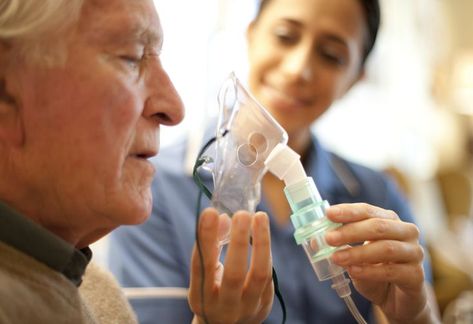
COPD Treatment in Jaipur
Jaipur provides a wide array of COPD treatment options, including medication therapy, pulmonary rehabilitation programs, and, in some cases, surgical procedures. With advanced medical infrastructure and expert respiratory specialists, patients in Jaipur receive personalized and effective care aimed at enhancing their respiratory health and overall quality of life
Oxygen Therapy
Oxygen therapy is used to support individuals with reduced blood oxygen levels, often associated with COPD and other lung conditions. It involves delivering extra oxygen via a nasal cannula or face mask to help maintain adequate oxygen in the bloodstream. This treatment can ease breathing difficulties, reduce fatigue, and improve overall comfort and quality of life.
Surgery
For some individuals with severe COPD, surgery may be a viable treatment option. Procedures such as lung volume reduction surgery (LVRS) — which removes damaged areas of the lung to enhance breathing — or lung transplantation, where the diseased lung is replaced with a donor lung, may be considered. These surgical treatments are generally recommended only for carefully selected patients based on their overall health and disease progression.
Lifestyle Modifications
Making lifestyle changes is essential in managing COPD effectively. Key adjustments include quitting smoking, avoiding exposure to lung irritants, engaging in regular physical activity, maintaining a balanced diet, and practicing good respiratory hygiene. These changes can help alleviate symptoms, slow the progression of the disease, and promote overall health and well-being.
Quick Contact
Address
F,56,kali Das Marg,Opposite Bal Vishvas Bharti School,Shindhi Colony,Bani Park,Jaipur,Rajsthan-302016
Email -
drashamangal@gmail.com
Contact No
7022327317
78777-53430