
An Overview and Its Main Types by the Leading Lung Cancer Specialist in Jaipur
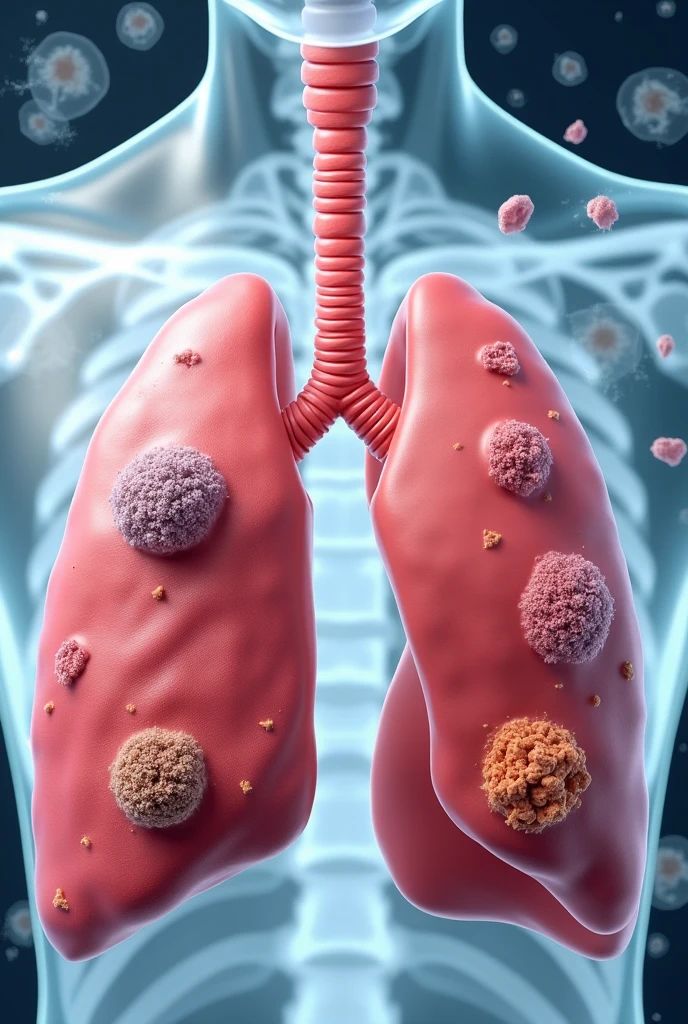
Lung cancer is a disease that originates in the lungs and is characterized by the uncontrolled growth of abnormal cells. These cells can multiply rapidly, invade surrounding tissues, and spread to other parts of the body through the bloodstream or lymphatic system. While smoking is the leading risk factor, lung cancer can also occur in non-smokers due to exposure to secondhand smoke, air pollution, genetic predisposition, and harmful substances in certain work environments.
Lung cancer is primarily classified into two main types: non-small cell lung cancer (NSCLC) and small cell lung cancer (SCLC). NSCLC is the most common form, accounting for about 85% of cases, and includes subtypes such as adenocarcinoma, squamous cell carcinoma, and large cell carcinoma. On the other hand, SCLC is less common but tends to grow and spread more aggressively. Since each type responds differently to treatment, early detection and a tailored treatment approach are crucial for improving outcomes.

Lung Cancer Staging
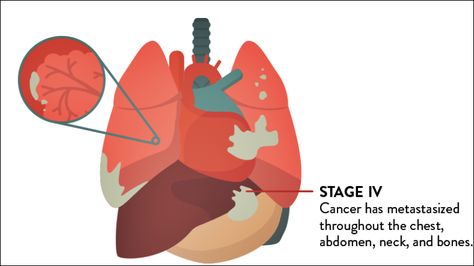
Lung cancer is categorized into stages based on how extensively it has spread. The stages range from Stage 0, where the cancer is limited to a small, localized region, to Stage IV, where it has metastasized to distant parts of the body. Determining the stage is essential, as it plays a key role in choosing the most appropriate treatment plan and in estimating the patient’s prognosis.
Stages of Non-Small Cell Lung Cancer (NSCLC)
Non-small cell lung cancer (NSCLC) is classified into four main stages: Stage I through Stage IV.
Stage I means the cancer is limited to the lung and hasn’t spread to nearby lymph nodes.
Stage II indicates the cancer has reached nearby lymph nodes or invaded surrounding tissues.
In Stage III, the cancer has spread to lymph nodes in the center of the chest or to nearby areas.
Stage IV is the most advanced stage, where the cancer has spread to distant parts of the body.
Understanding the stage of NSCLC is essential for planning the right treatment and assessing the likely outcome.
Symptoms of Lung Cancer
Lung cancer symptoms can vary widely depending on the stage of the disease and individual health factors. In its early stages, lung cancer may not present noticeable signs. However, as the disease progresses, several common symptoms can emerge.
A persistent cough is one of the most common symptoms, especially if it worsens or produces blood. Other respiratory symptoms include shortness of breath, wheezing, and chest pain, which may indicate airway obstruction or lung inflammation. Unexplained weight loss, fatigue, and loss of appetite are also common, often due to changes in the body’s metabolism caused by cancer. Frequent respiratory infections, like bronchitis or pneumonia, can also be a sign.
In more advanced stages, additional symptoms may develop. These can include hoarseness, difficulty swallowing, swelling in the face or neck, and persistent headaches. If the cancer spreads to the bones, it may cause bone, joint, or back pain. When it spreads to the brain, neurological symptoms such as seizures, confusion, or muscle weakness may appear.
It’s important to remember that these symptoms are not unique to lung cancer and may be related to other conditions. Nonetheless, persistent or worsening symptoms should be evaluated by
Causes of Lung Cancer:
While smoking is the leading cause of lung cancer, other factors can also contribute to its development. These include exposure to secondhand smoke, air pollution, genetic predisposition, and workplace-related risks such as inhalation of asbestos or radon gas.
Quick Contact
Address
F,56,kali Das Marg,Opposite Bal Vishvas Bharti School,Shindhi Colony,Bani Park,Jaipur,Rajsthan-302016
Email -
drashamangal@gmail.com
Contact No
7022327317
78777-53430