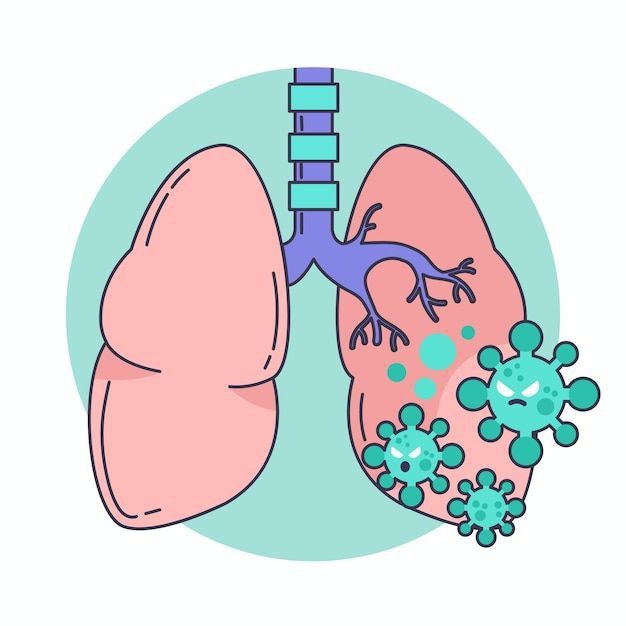
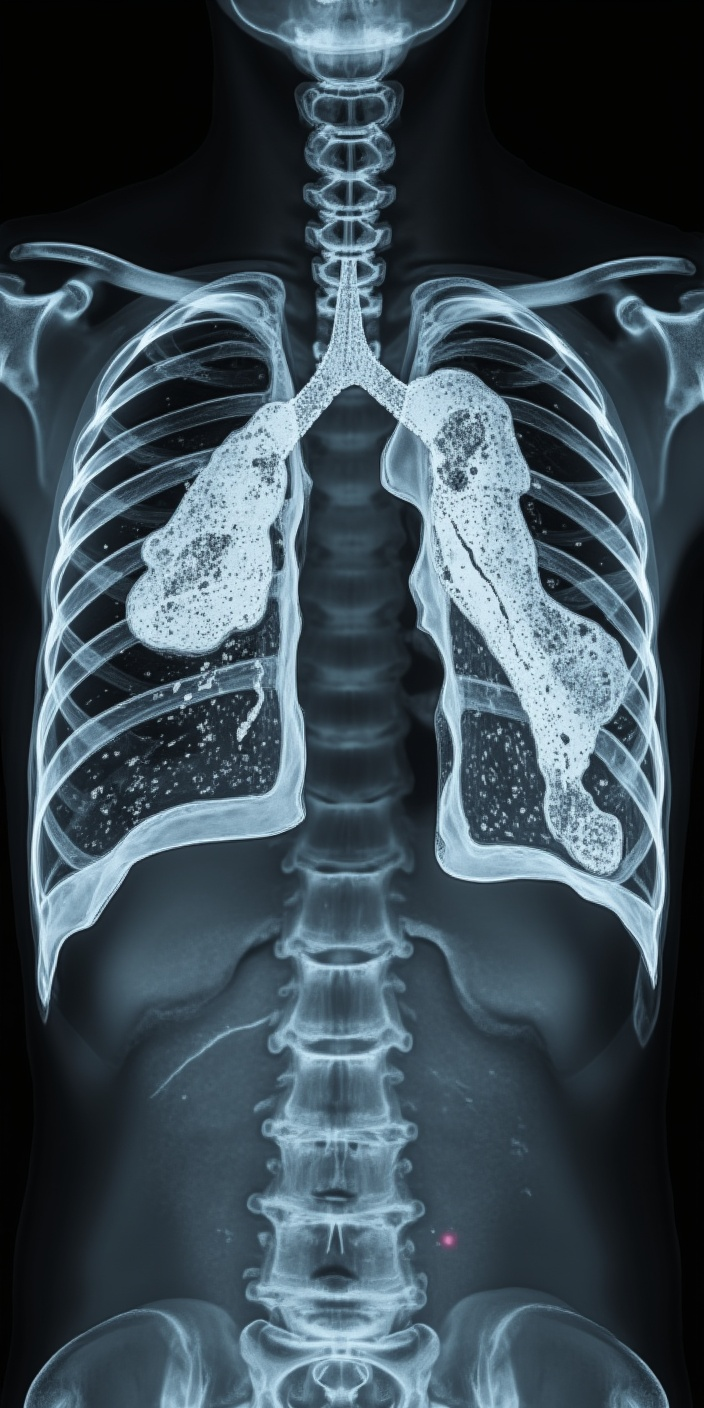
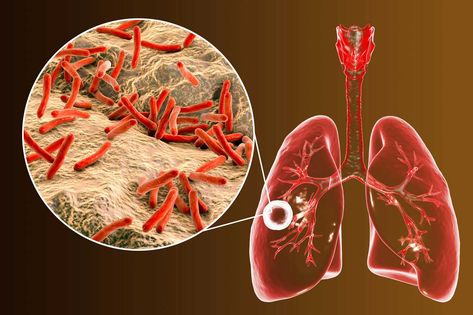
Tuberculosis (TB) is a contagious illness caused by the bacterium Mycobacterium tuberculosis. While it primarily affects the lungs, it can spread to other organs as well. TB spreads through the air when an infected person coughs, sneezes, or speaks. Common signs of TB include a persistent cough, fatigue, unexplained weight loss, fever, and night sweats. The disease can either be latent (inactive) or active, with active TB causing serious health complications. Timely diagnosis and appropriate antibiotic treatment are essential for effective management. If you’re searching for the best TuberCulosis or TB disease doctor in Jaipur, seeking early medical help is crucial. Efforts continue globally to control and eliminate this significant public health issue.
Tuberculosis symptoms:
Tuberculosis (TB) can cause a range of symptoms depending on which part of the body is affected. A persistent cough lasting several weeks is the most common sign, sometimes with blood or mucus. Other typical symptoms include fatigue, unintended weight loss, fever, night sweats, and reduced appetite. When TB impacts areas outside the lungs, additional symptoms may occur, such as back pain in spinal TB, swollen lymph nodes in extrapulmonary TB, or chest pain in pleural TB. Prompt medical evaluation is crucial if these symptoms appear, as early detection and treatment are key to avoiding serious health issues and stopping the disease from spreading.
The other symptoms include
Other symptoms of Tuberculosis (TB) can vary depending on the part of the body involved. When TB affects bones and joints, it may cause joint pain, swelling, and restricted movement. If the central nervous system is involved, symptoms like severe headaches, confusion, seizures, or even coma can occur. TB in the gastrointestinal tract might lead to abdominal pain, diarrhea, and vomiting. When the kidneys are affected, patients may experience blood in the urine and frequent urination. Recognizing these varied symptoms is crucial for early diagnosis and effective treatment of TB in its different forms.
Mother taking care of her son lying down with a fever
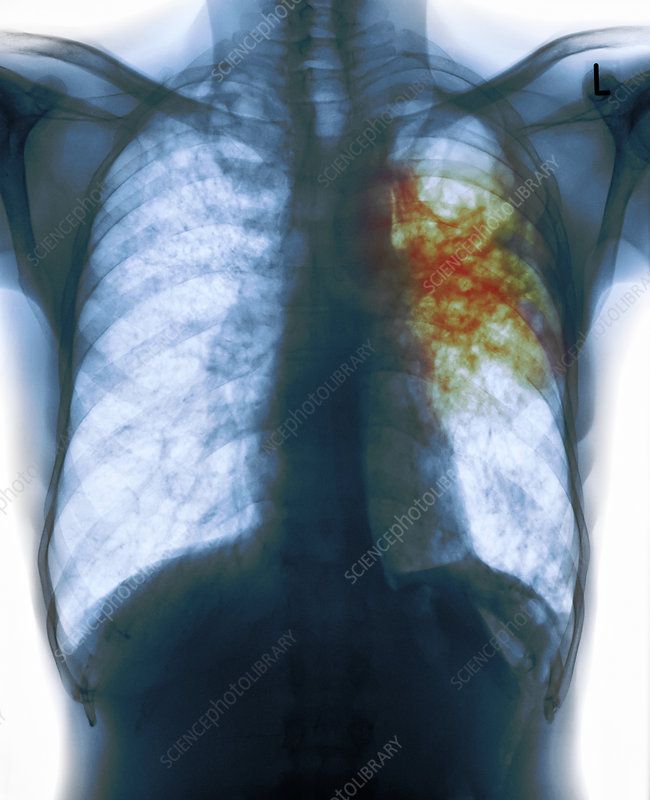
^BTuberculosis.^b Coloured X-ray of the chest of a male patient with pulmonary tuberculosis (TB). The affected areas of the lungs are red. Pulmonary tuberculosis is caused by the bacterium ^IMycobacterium^i ^Ituberculosis^i, which is spread by coughing and sneezing. The bacteria create primary tubercles, nodular lesions of dead tissue and bacteria, when inhaled into the lungs. Pulmonary tuberculosis may be symptomless, and may recur at periods when the patient’s immune system is weakened. Symptoms include fever, weight loss and the coughing up of blood. Treatment is with long-term antibiotics.
Tuberculosis Causes
Tuberculosis (TB) is caused by the bacterium Mycobacterium tuberculosis and spreads through the air when an infected person coughs, sneezes, or speaks. Prolonged close contact increases the risk of infection. Overcrowded spaces, poor ventilation, and weakened immune systems further aid the spread of TB. Although it mainly affects the lungs, TB can also impact other organs. In cases of latent TB, the bacteria remain inactive in the body without causing symptoms or spreading to others. Knowing the causes and transmission routes is key to preventing and managing TB effectively.
TB Diagnosis
Diagnosing tuberculosis (TB) requires a combination of clinical evaluation and diagnostic tests. If a person shows symptoms or has been exposed to someone with TB, a healthcare provider will conduct a detailed physical examination and review their medical history. Common initial tests include the tuberculin skin test (Mantoux test), which measures the body’s immune response to TB bacteria, and the interferon-gamma release assay (IGRA), a blood test that detects TB infection. If results suggest TB, additional investigations such as chest X-rays, sputum analysis, or CT scans are done to confirm active disease and assess its severity. Early and accurate diagnosis is vital for starting timely treatment and limiting the spread of TB.
Tuberculosis Treatments
Tuberculosis (TB) is a curable disease when treated with a specific combination of anti-TB medications. Standard treatment for active TB typically involves taking multiple antibiotics — such as isoniazid, rifampin, ethambutol, and pyrazinamide — for at least six months. This multi-drug approach helps eliminate the bacteria, prevent drug resistance, and lower the chance of relapse. Strict adherence to the prescribed regimen is critical for effective recovery and to stop the emergence of drug-resistant TB strains. In cases of drug-resistant TB, treatment may be longer and involve more complex medication plans. Directly Observed Therapy (DOT), where a healthcare worker supervises medication intake, is often recommended to ensure patients complete their treatment successfully. Early detection and proper management, as provided by Dr. Asha Mangal, greatly improve cure rates and help prevent serious complications.
Quick Contact
Address
F,56,kali Das Marg,Opposite Bal Vishvas Bharti School,Shindhi Colony,Bani Park,Jaipur,Rajsthan-302016