

Where Relief Begins: Your Allergy Specialist Doctor Explains What Allergies Really Are
Allergies occur when the immune system reacts to substances called allergens, which are typically harmless. These allergens may include common triggers like pollen, dust mites, pet dander, certain foods, or insect venom. In people with allergies, the immune system overreacts when exposed to an allergen, releasing chemicals that cause symptoms. These symptoms can vary from mild, like sneezing and itching, to severe, including difficulty breathing or even anaphylaxis. Allergies can develop at any stage of life, and while there is no permanent cure, managing them typically involves avoiding allergens, using medications, and undergoing immunotherapy to control symptoms and enhance quality of life.
Symptoms of Food Allergies
Food allergies can lead to a variety of symptoms, which may develop within minutes to a few hours after eating the allergenic food. Common signs include hives, itching, swelling of the lips, tongue, or throat, abdominal discomfort, vomiting, diarrhea, difficulty breathing, dizziness, or even anaphylaxis. Skin reactions like eczema or itchy rashes may also occur. It’s important to understand that food intolerances, which are not immune-related, can cause similar symptoms but are not classified as allergies. If you suspect a food allergy, it’s essential to consult a healthcare professional for proper diagnosis and treatment.




Symptoms of Seasonal Allergies
Seasonal allergies, or hay fever (allergic rhinitis), can cause a range of symptoms, often triggered by pollen from trees, grasses, or weeds. These symptoms include sneezing, itching, a runny or blocked nose, watery or itchy eyes, coughing, and fatigue. Some people may also experience a sore throat, headaches, or pressure in the sinuses. The severity of symptoms varies and is usually worse during specific times of the year when particular allergens are most prevalent. Proper management can help reduce symptoms and improve daily activities during allergy seasons.
Severe Allergies
Severe allergies, also known as anaphylaxis, are extreme allergic reactions that can be life-threatening. They can develop within seconds or minutes after exposure to allergens like certain foods, insect venom, medications, or latex. Symptoms may include difficulty breathing, swelling of the throat or tongue, hives, rapid heartbeat, dizziness, fainting, nausea, and abdominal pain. Anaphylaxis requires immediate medical intervention, and individuals at risk are often prescribed epinephrine auto-injectors for emergency use. Recognizing symptoms quickly, avoiding triggers, and being prepared for emergencies are essential in managing severe allergies.



Asthma and Allergies
Asthma and allergies are often closely related, with allergies frequently acting as a major trigger for asthma symptoms. Allergens such as pollen, dust mites, pet dander, and mold spores can provoke allergic reactions in vulnerable individuals, leading to inflammation and narrowing of the airways. This can result in asthma symptoms like wheezing, coughing, shortness of breath, and chest tightness.
Effective management of both asthma and allergies requires a well-rounded approach, which includes identifying and avoiding allergens, using appropriate medications, and establishing an asthma action plan. This plan may involve the use of inhalers, oral medications, or immunotherapy (allergy shots) to manage symptoms and prevent asthma flare-ups triggered by allergies. Ongoing communication with healthcare providers is essential for proper diagnosis, treatment, and continuous management to help individuals gain better control and improve their quality of life.
Skin Allergies
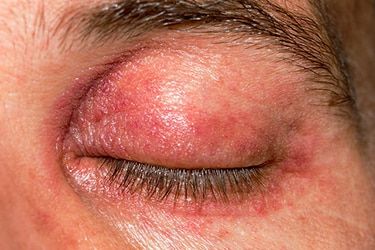
Skin allergies, or allergic dermatitis, occur when the skin reacts to specific allergens or substances. Common triggers include chemicals, cosmetics, metals like nickel, medications, plants such as poison ivy, and certain fabrics. When the skin comes into contact with these allergens, symptoms like redness, itching, swelling, rashes, or blisters may develop. Skin allergies can range from acute to chronic, with the severity of symptoms varying between individuals. Treatment typically involves avoiding the allergen, using over-the-counter or prescribed creams and ointments to reduce inflammation and itching, and taking antihistamines to relieve symptoms. In some cases, a doctor may suggest allergy testing or immunotherapy for long-term management. Regular skincare practices and gentle care of affected areas can help prevent flare-ups and keep the skin healthy.
Common Types of Skin Allergies
Common skin allergies include contact dermatitis, atopic dermatitis (eczema), hives (urticaria), and angioedema. Contact dermatitis occurs when the skin is exposed to an allergen or irritant. Atopic dermatitis is a chronic condition marked by dry, itchy, and inflamed skin. Hives are raised, itchy welts that can develop suddenly and usually fade within a few hours. Angioedema causes deep swelling beneath the skin, often affecting the face and lips. These skin allergies can cause significant discomfort and require proper diagnosis and treatment by healthcare professionals.
Causes of Allergies
Allergies can be triggered by several factors, such as genetic predisposition, environmental allergens, and an overactive immune system. Common allergens include pollen, dust mites, pet dander, certain foods, insect venom, medications, and latex. Identifying the exact allergens is crucial for managing and avoiding allergic reactions.
Common Types of Allergens
Allergens are present in a variety of environments and can differ significantly. Outdoor allergens include pollen from trees, grasses, and weeds, as well as mold spores. Indoor allergens are made up of dust mites, pet dander, cockroach droppings, and mold. Certain foods like peanuts, tree nuts, shellfish, eggs, milk, and wheat can also cause allergic reactions. Other common allergens include insect venom from bee stings or mosquito bites, medications such as penicillin, latex, and metals like nickel. Identifying and avoiding these allergens is essential for controlling symptoms and preventing allergic reactions.
Allergy Diagnosis
Allergy diagnosis typically involves a thorough evaluation by healthcare professionals. The process begins with a detailed medical history, including a review of symptoms and possible triggers. A physical examination may be conducted to identify visible signs of allergic reactions. Allergy testing is a crucial part of the diagnosis and may involve skin prick tests or blood tests, such as specific IgE antibody tests, to identify the allergens responsible for the allergic response. These tests help determine both the specific allergens and the severity of the allergy. In certain cases, an oral food challenge or elimination diet may be used to evaluate food allergies. The insights gathered through these methods enable healthcare providers to create tailored management plans and recommend appropriate treatments for individuals with allergies.
Allergy Diagnosis
Diagnosing allergies involves a thorough assessment by healthcare professionals. It starts with taking a detailed medical history, discussing symptoms, and identifying potential triggers. A physical exam may be conducted to check for visible signs of allergic reactions. Allergy tests, including skin prick tests or blood tests like specific IgE antibody tests, are crucial for identifying the allergens responsible for the allergic response. These tests help determine which substances trigger the allergy and assess its severity. In some cases, an oral food challenge or an elimination diet may be used to evaluate food allergies. The information obtained through these diagnostic methods allows healthcare providers to create personalized treatment plans and recommend the most appropriate management strategies.
Other Therapies in Allergy Treatment:
Immunotherapy:
Immunotherapy, commonly referred to as allergy shots, is a treatment option designed to reduce allergy symptoms. It involves receiving regular injections of small amounts of allergens over a period of time to gradually desensitize the immune system. The goal is to build tolerance to specific allergens, ultimately reducing the severity of allergic reactions.
Emergency Epinephrine:
Emergency epinephrine, often delivered via auto-injectors like the EpiPen, is a life-saving treatment for severe allergic reactions or anaphylaxis. Epinephrine works by constricting blood vessels, relaxing airway muscles, and reducing the body’s immune response. For individuals with severe allergies, carrying and using epinephrine during an emergency is critical to managing severe reactions and preventing serious complications.
Quick Contact
Address
F,56,kali Das Marg,Opposite Bal Vishvas Bharti School,Shindhi Colony,Bani Park,Jaipur,Rajsthan-302016
Email -
drashamangal@gmail.com
Contact No
7022327317
78777-53430