
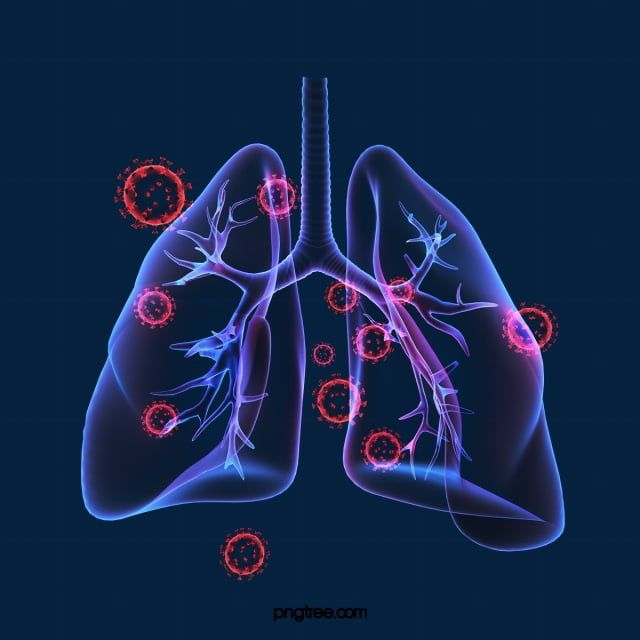
What is pneumonia?
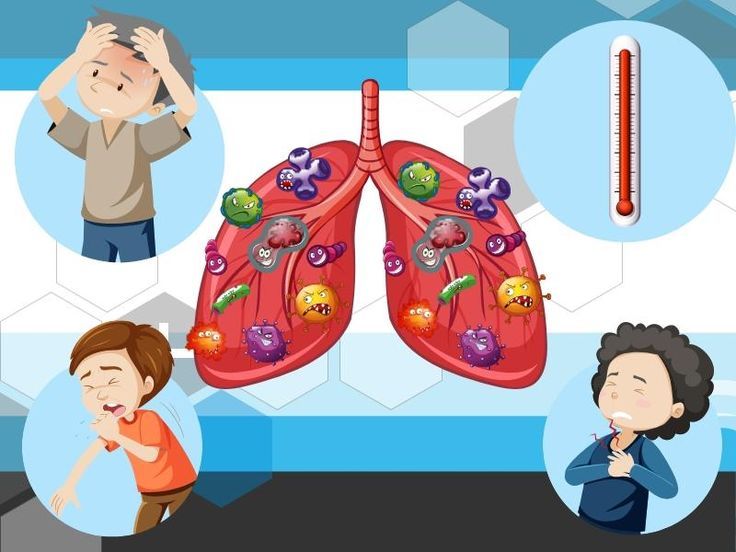
Pneumonia is an infection that affects the lungs, leading to inflammation in the tiny air sacs known as alveoli. These air sacs can fill with fluid or pus, making it hard to breathe. The condition can be caused by bacteria, viruses, fungi, or inhaled irritants. Common symptoms include a persistent cough, fever, chest pain, fatigue, and difficulty breathing. Pneumonia can be mild or severe, and it poses a greater risk to infants, the elderly, and those with weakened immune systems. It is usually diagnosed through a physical exam, chest X-ray, and lab tests. Treatment varies based on the cause and may involve antibiotics, antiviral drugs, rest, and supportive care. Practicing good hygiene and getting vaccinated are effective ways to help prevent pneumonia.
Symptoms of Pneumonia:
Pneumonia symptoms can vary depending on how severe the infection is and what’s causing it. However, some common signs include:
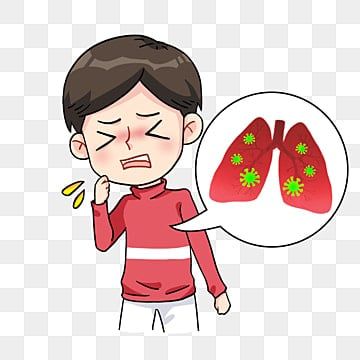
Cough: Often accompanied by mucus or phlegm that may appear green, yellow, or streaked with blood.
Chest discomfort: A sharp or stabbing pain that intensifies when breathing deeply or coughing.
Fever: A high temperature, frequently with chills and excessive sweating.
Breathing difficulties: Shortness of breath, rapid breathing, or a feeling of being out of breath.
Tiredness: Ongoing fatigue, weakness, or a lack of energy.
Increased heart rate: The heart may beat faster than usual, especially during activity.
Disorientation: Confusion or changes in mental alertness, often seen in older adults or those with weakened immunity.
Clammy skin: Cool, moist skin with noticeable sweating.
Headache and body aches: General discomfort, including muscle pain and headaches.
Since pneumonia symptoms can differ among individuals, it’s important to seek medical care if issues like a persistent cough, trouble breathing, chest pain, or extreme fatigue arise.
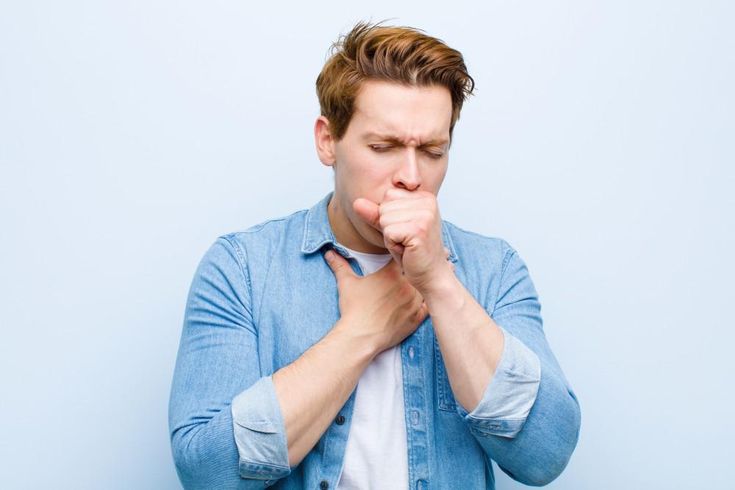

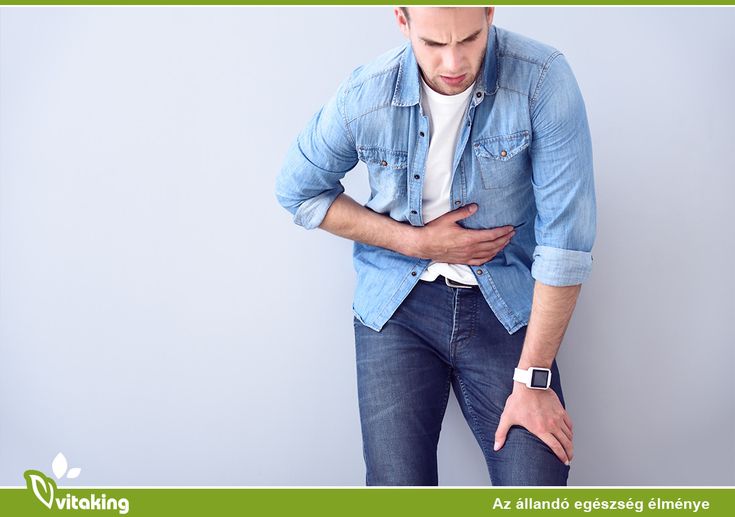
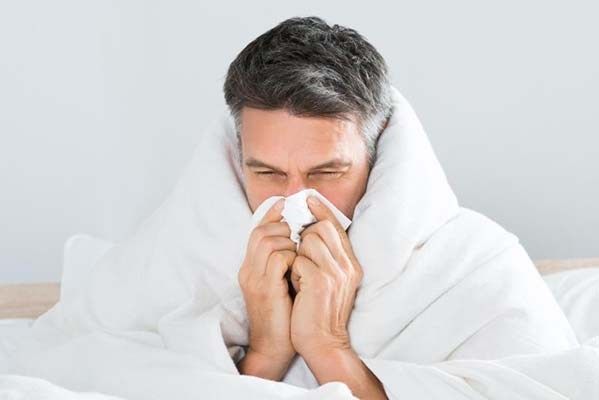
Symptoms of Pneumonia by Cause
The symptoms of pneumonia can vary depending on what is causing the infection. Common signs include coughing, chest discomfort, fever, shortness of breath, and tiredness. However, the nature of the symptoms may change based on the source:
Bacterial pneumonia typically presents with a sudden high fever, chills, and a cough that produces thick, colored mucus.
Viral pneumonia often causes a dry cough, along with a sore throat, runny nose, and mild fever.
Pneumonia Symptoms by Age
Pneumonia symptoms can differ depending on the person’s age. In infants and young children, signs may include fast or labored breathing, wheezing, and difficulty feeding. Older adults may show more subtle symptoms, such as confusion, general weakness, or a sudden decline in health. However, fever and cough are common symptoms experienced across all age groups.
Pneumonia Treatment:
Pneumonia treatment varies based on the cause and how serious the infection is. Bacterial pneumonia is usually treated with antibiotics, while viral pneumonia may be managed with antiviral drugs and supportive care. General treatment also includes getting plenty of rest, staying well-hydrated, and using medications to relieve symptoms like fever and cough. In more severe cases, hospitalization may be necessary for close observation, oxygen therapy, and intravenous fluids.
Initial Treatment
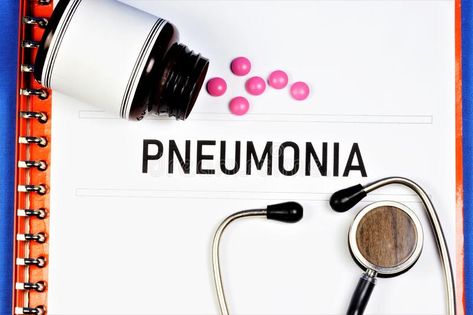
Early treatment for pneumonia aims to ease symptoms and support the body’s healing. This typically includes fever reducers and pain relievers, such as over-the-counter medications. Ensuring plenty of rest, drinking fluids, and following good respiratory hygiene practices are also essential to aid recovery during the initial phase.
Treatment for Severe Pneumonia
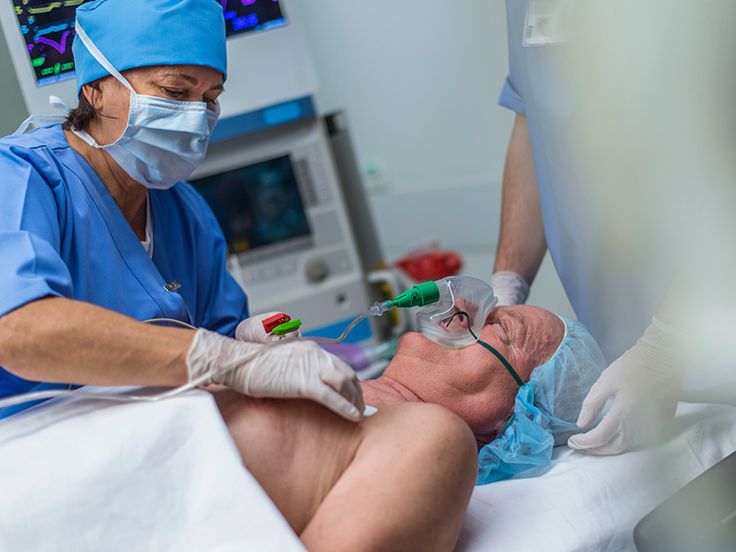
When pneumonia becomes severe and leads to serious breathing difficulties or complications, more advanced medical care is required. Hospitalization is often necessary to closely monitor the patient and administer intravenous antibiotics or antivirals. Oxygen therapy is commonly used to maintain adequate blood oxygen levels, and in critical cases, mechanical ventilation may be needed to support breathing. Additional supportive treatments include IV fluids, fever reducers, and pain relief. Management of severe pneumonia is personalized and may involve a team of specialists, including pulmonologists, infectious disease experts, and critical care professionals.
Types of Pneumonia:
Pneumonia comes in various forms, including bacterial, viral, fungal, aspiration, and healthcare-associated pneumonia. Each type is caused by different agents and has its own set of symptoms, risk factors, and treatment methods. Understanding the specific type is important for determining the most effective care
Types of Pneumonia Based on Cause
Pneumonia can be classified by its cause into several types:
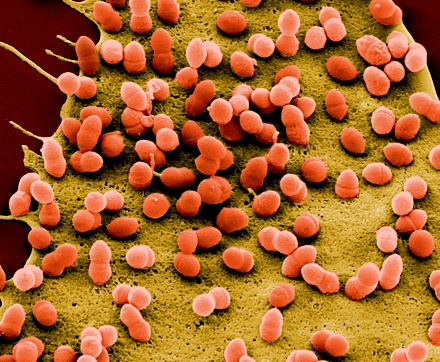
Bacterial Pneumonia: Caused by bacteria like Streptococcus pneumoniae, Haemophilus influenzae, or Staphylococcus aureus.
Viral Pneumonia: Triggered by viruses such as influenza, respiratory syncytial virus (RSV), or coronaviruses, including COVID-19.
Fungal Pneumonia: Caused by fungi like Pneumocystis jirovecii, which primarily affects people with compromised immune systems.
Aspiration Pneumonia: Results from inhaling foreign materials, such as food, liquids, or stomach contents, into the lungs.
Healthcare-Associated Pneumonia: Acquired during hospital stays, often linked to the use of ventilators or other medical treatments, and typically caused by drug-resistant bacteria.
Each type requires specific diagnostic methods and treatment strategies.
Types of Pneumonia Based on Location
Pneumonia can also be categorized by where the infection was contracted:
Community-Acquired Pneumonia (CAP): Acquired outside of healthcare settings, often caused by bacteria like Streptococcus pneumoniae.
Hospital-Acquired Pneumonia (HAP): Develops 48 hours or more after being admitted to a hospital, typically caused by multidrug-resistant bacteria.
Ventilator-Associated Pneumonia (VAP): Occurs more than 48 hours after intubation and mechanical ventilation, usually caused by bacteria from the patient’s own respiratory tract or from the healthcare environment.
These distinctions are important for guiding treatment, as each type may require specific antibiotics and care strategies.

Types of Pneumonia Based on Acquisition
Pneumonia can be categorized based on how it is contracted:
Community-Acquired Pneumonia (CAP): Contracted outside of healthcare settings, such as at home, school, or in the community.
Hospital-Acquired Pneumonia (HAP): Occurs during a hospital stay, typically after being admitted for more than 48 hours.
Ventilator-Associated Pneumonia (VAP): Develops more than 48 hours after a patient has been on a ventilator in an intensive care unit.
These classifications are key in identifying the likely pathogens involved and determining the most effective treatment plan.
Quick Contact
Address
F,56,kali Das Marg,Opposite Bal Vishvas Bharti School,Shindhi Colony,Bani Park,Jaipur,Rajsthan-302016
Email -
drashamangal@gmail.com
Contact No
7022327317
78777-53430