
Interstitial Lung Disease (ILD) Treatment by Pulmonologist in Jaipur
Jaipur is home to experienced medical professionals and modern healthcare facilities offering advanced treatment for Interstitial Lung Disease (ILD). A qualified pulmonologist in Jaipur plays a key role in the diagnosis and management of ILD, ensuring patients receive comprehensive and personalized care.
The treatment approach for ILD is multidisciplinary, often involving collaboration between pulmonologists, rheumatologists, and thoracic surgeons. Common treatment options include medications to control inflammation, improve lung function, and relieve symptoms. For patients with more severe cases, oxygen therapy and pulmonary rehabilitation are recommended to enhance breathing capacity and stamina. In certain situations, lung transplantation may also be considered.
With access to the latest advancements in ILD management, a pulmonologist in Jaipur offers expert guidance and treatment strategies aimed at improving the patient’s respiratory health and overall quality of life.
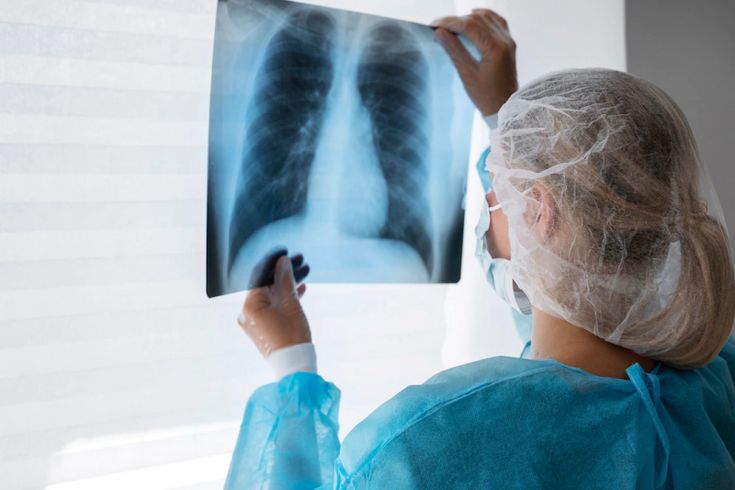

Types of Interstitial Lung Disease (ILD)
Interstitial Lung Disease (ILD) refers to a broad group of lung disorders that involve inflammation and scarring of the lung’s interstitial tissue. Among the most recognized types is Idiopathic Pulmonary Fibrosis (IPF), a progressive condition that leads to worsening lung function over time. Sarcoidosis is another type, characterized by the development of granulomas—clusters of inflammatory cells—within the lungs.
Connective Tissue Disease-Associated ILD affects individuals with autoimmune disorders such as rheumatoid arthritis or lupus, while Hypersensitivity Pneumonitis results from an immune reaction to inhaled environmental allergens. Non-Specific Interstitial Pneumonia (NSIP) presents with a mix of inflammation and fibrosis and can have variable outcomes.
Other less common forms include:
Cryptogenic Organizing Pneumonia (COP)
Acute Interstitial Pneumonia (AIP)
Lymphangioleiomyomatosis (LAM)
Desquamative Interstitial Pneumonia (DIP)
Pulmonary Langerhans Cell Histiocytosis (PLCH)
Each subtype of ILD has unique symptoms, diagnostic criteria, and treatment strategies, making expert evaluation and individualized care essential for optimal management.
Symptoms of Interstitial Lung Disease (ILD)
The symptoms of Interstitial Lung Disease (ILD) can vary depending on the type and how far the condition has progressed. Nonetheless, certain signs are commonly seen in most cases of ILD:
Ongoing shortness of breath, particularly during physical activity
A persistent dry cough that gradually becomes worse
Constant fatigue or an overall feeling of low energy
Slow, unintentional weight loss over time
Chest discomfort or tightness
Swelling or rounding of the fingertips, known as finger clubbing
Distinct crackling noises in the lungs (similar to Velcro) heard with a stethoscope
Shallow, rapid breathing
Reduced stamina and difficulty with routine physical tasks
In advanced stages, bluish lips or skin (cyanosis) may appear due to low oxygen levels
These symptoms can mimic those of other respiratory or cardiac conditions, making it essential to seek evaluation from a pulmonologist or a specialist in respiratory diseases for a precise diagnosis.

Autoimmune Diseases
Autoimmune diseases happen when the body’s immune system wrongly targets and damages its own healthy cells and tissues. Examples include conditions like rheumatoid arthritis, lupus, multiple sclerosis, and type 1 diabetes. These diseases can affect different organs, leading to chronic inflammation and, if left untreated, may cause long-term damage.
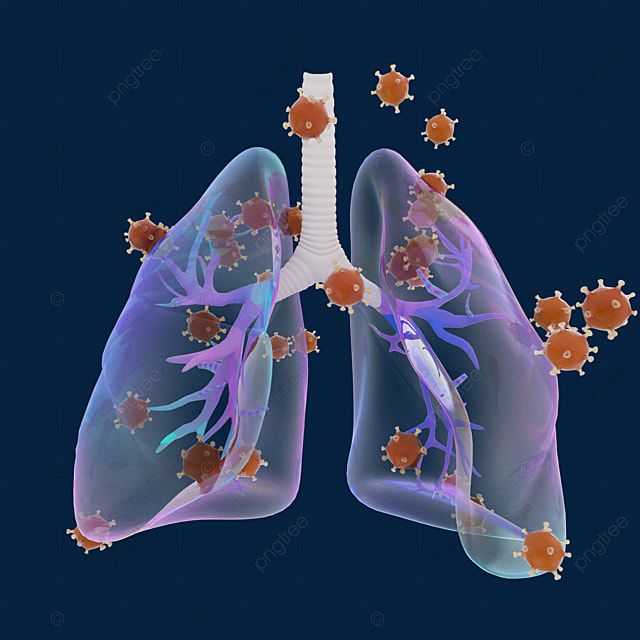
Exposure to Toxic Substances
Exposure to toxic substances involves contact with harmful chemicals or materials that can negatively impact health. This includes substances such as asbestos fibers, heavy metals, pesticides, industrial chemicals, and air pollutants. Continuous or excessive exposure to these toxins can result in a range of health problems, such as respiratory issues, organ damage, and an elevated risk of developing certain diseases.
Interstitial Lung Disease (ILD) Treatment
Treatment for Interstitial Lung Disease (ILD) focuses on relieving symptoms, slowing the progression of the disease, and enhancing overall quality of life. Depending on the type and severity, patients may be prescribed medications such as corticosteroids or immunosuppressants to control inflammation and lung scarring. Oxygen therapy can help ease breathing difficulties and maintain healthy oxygen levels. Pulmonary rehabilitation programs are designed to improve lung capacity and physical endurance. For severe cases, lung transplantation may be an option. It’s also important to address the root cause—whether it’s an autoimmune condition or exposure to harmful substances. A coordinated care approach involving a team of specialists ensures that each patient receives the most effective and individualized treatment.Treatment for Interstitial Lung Disease (ILD) focuses on relieving symptoms, slowing the progression of the disease, and enhancing overall quality of life. Depending on the type and severity, patients may be prescribed medications such as corticosteroids or immunosuppressants to control inflammation and lung scarring. Oxygen therapy can help ease breathing difficulties and maintain healthy oxygen levels. Pulmonary rehabilitation programs are designed to improve lung capacity and physical endurance. For severe cases, lung transplantation may be an option. It’s also important to address the root cause—whether it’s an autoimmune condition or exposure to harmful substances. A coordinated care approach involving a team of specialists ensures that each patient receives the most effective and individualized treatment.
Quick Contact
Address
F,56,kali Das Marg,Opposite Bal Vishvas Bharti School,Shindhi Colony,Bani Park,Jaipur,Rajsthan-302016
Email -
drashamangal@gmail.com
Contact No
7022327317
78777-53430